Is Your Stuff Safe From New England Weather? How to Choose Between Climate-Controlled Storage and Traditional Units
When you start looking into storage options in East Granby, one of the first decisions that comes up is whether to go with climate-controlled storage or a traditional unit. At first glance, both options might seem similar, especially if your main goal is simply to free up space at home. However, once you factor in New England’s changing seasons, the difference between the two becomes much more meaningful.
Connecticut weather does not stay consistent for long. Instead, it shifts between humid summers, crisp autumns, and winters that can bring extended cold. Because of that, what you store and how long you store it can make a significant difference in the type of unit that makes the most sense. So rather than making a quick decision based only on price or convenience, it helps to understand how each option works and how those differences play out over time.
Why Storage Conditions Matter More in East Granby Than You Might Expect
To begin with, East Granby’s climate plays a direct role in how stored items age and hold up. Unlike regions with steady temperatures year-round, New England introduces a cycle of expansion, contraction, and moisture exposure that can gradually affect certain materials. For instance, the region regularly experiences wide seasonal temperature swings along with varying humidity levels. While this may feel normal in daily life, inside a storage unit, these fluctuations can slowly take a toll on sensitive belongings.
At the same time, East Granby is known for its outdoor recreation. Whether it is hiking scenic trails or spending weekends exploring local parks, many residents rotate gear throughout the year. Resources like Highlight just how active the area can be. As a result, storage often becomes a practical way to manage seasonal items, making it even more important to choose the right type of unit. In other words, storage in this region is not just about space. It is also about protection.
Understanding Climate Controlled Storage in Simple Terms
Climate-controlled storage is designed to create a stable environment inside the unit, regardless of what is happening outside. More specifically, these units maintain a consistent temperature range and help regulate humidity levels so that moisture does not build up. Because of this, climate-controlled storage acts as a buffer between your belongings and the elements. Instead of reacting to every seasonal shift, your items remain in a more predictable environment. Over time, that consistency can help prevent warping, cracking, mold growth, and other forms of damage.
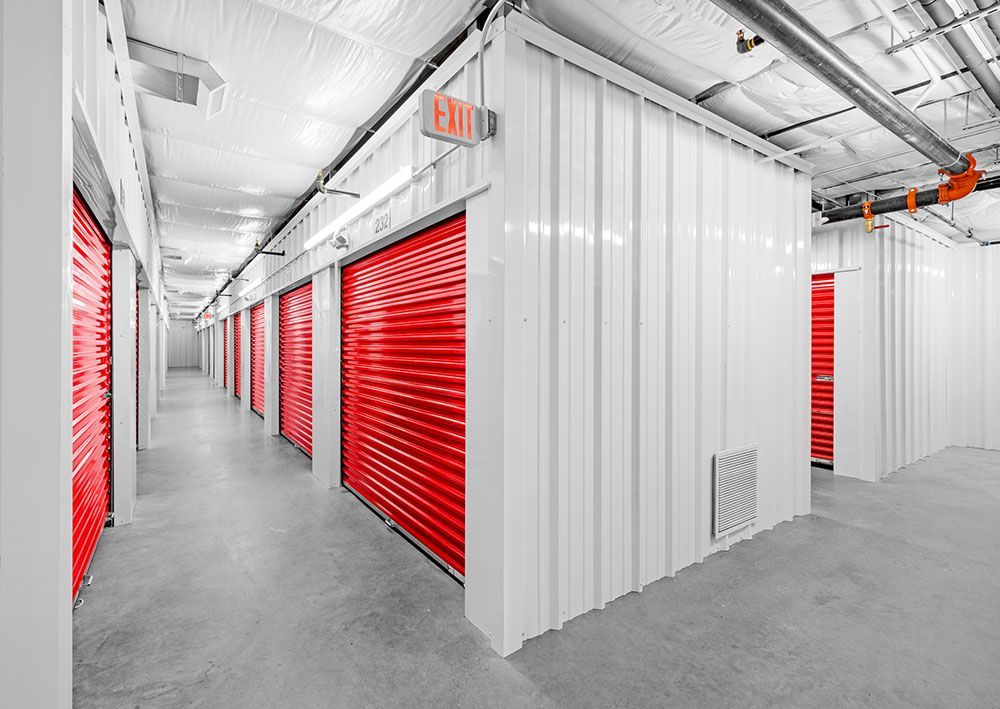
Additionally, most climate-controlled units are located indoors within a larger facility. This setup provides an added layer of protection against dust, pests, and sudden weather exposure. While the cost is typically higher than traditional storage, the tradeoff comes in the form of increased protection and peace of mind.
Traditional Storage Units: Practical and Straightforward
On the other hand, traditional storage units offer a simpler and often more accessible solution. These units are usually located outdoors and provide direct drive-up access, which makes loading and unloading much easier, especially for heavier or bulkier items. However, it is important to understand that traditional units do not regulate temperature or humidity. Instead, they reflect the outdoor environment. That means the interior can become quite warm during the summer and noticeably cold during the winter.
Even so, this does not make traditional storage a poor choice. In fact, for many types of items, it works perfectly well. The key difference lies in how much protection your belongings need and how they respond to environmental changes.
Breaking Down the Core Differences Between the Two
At this point, the distinction becomes clearer. Climate-controlled storage focuses on stability, while traditional storage focuses on accessibility and simplicity.
To put it into perspective:
- Climate-controlled storage maintains steady temperature and humidity levels
- Traditional units are influenced by outdoor weather conditions
- Climate-controlled units are typically indoors
- Traditional units are often outdoors with direct access
While these differences may seem straightforward, they have a direct impact on how well your items hold up over time.
When Climate Controlled Storage Is Worth Considering
Now that the basics are clear, it helps to look at specific situations where climate-controlled storage makes a noticeable difference. Generally speaking, this option is ideal for items that are sensitive to heat, cold, or moisture. For example, wood furniture can expand and contract with temperature changes, which may lead to cracks or warping. If you are planning to store these types of items without climate control, it is helpful to understand the risks and precautions outlined in this guide on how to store wood furniture without climate control.
Similarly, items like electronics, musical instruments, and upholstered furniture tend to respond poorly to fluctuating conditions. Over time, exposure to humidity can lead to the growth of mold, while extreme temperatures can affect internal components or compromise the structural integrity.
Because of that, climate-controlled storage often becomes the safer choice for:
- Electronics and appliances
- Paper documents, books, and photographs
- Upholstered furniture and mattresses
- Artwork and collectibles
- Instruments that are sensitive to humidity
While these items may not exhibit immediate damage, long-term exposure can gradually reduce their quality and lifespan.
When Traditional Storage Units Are a Practical Choice
That said, not every item requires that level of protection. In many cases, traditional storage units provide a perfectly suitable solution, especially for belongings that are built to withstand changing conditions. For instance, tools, metal equipment, and outdoor furniture are typically durable enough to handle temperature fluctuations. Likewise, plastic storage bins, seasonal decorations, and certain types of sporting gear often hold up well in non-climate-controlled environments.
In addition, if you are storing items for a shorter period, the risk of environmental damage is significantly lower. A few weeks or even a couple of months may not be enough time for noticeable wear to occur. Therefore, traditional storage can be a practical choice when durability and convenience are the main priorities.
The Often Overlooked Factor: Humidity
While temperature usually gets the most attention, humidity can be just as important, if not more so. High humidity levels can create an environment where mold and mildew thrive, especially in enclosed spaces. In Connecticut, summer humidity can rise quickly, and without proper ventilation, that moisture can become trapped inside a storage unit. Over time, this may lead to musty odors, discoloration, or even damage to fabrics and paper goods.
This is where climate-controlled storage offers a clear advantage. Regulating humidity levels, it helps reduce the risk of these issues before they develop. If you are curious about how climate-controlled storage addresses these concerns, this detailed resource on climate-controlled storage FAQs provides helpful insights.
Balancing Cost and Long-Term Protection
Naturally, cost plays a role in any storage decision. Climate-controlled units typically come with a higher monthly rate, while traditional units are more budget-friendly. However, it is worth considering the bigger picture. While saving money upfront may seem appealing, replacing damaged items can quickly become more expensive. For valuable or sentimental belongings, the added protection often justifies the cost.
On the other hand, if your items are durable and not easily affected by environmental changes, a traditional unit may provide all the protection you need without the higher price point. In this way, the decision becomes less about which option is better overall and more about which option aligns with your specific situation.
How Lifestyle in East Granby Influences Storage Needs
Another factor to consider is how your lifestyle connects to what you store. In East Granby, where outdoor activities are part of everyday life, many people rotate equipment throughout the year. For example, hiking gear, bicycles, and seasonal sports equipment may only be used during certain months. While these items often do not require climate control, other belongings stored alongside them might.
As a result, it is helpful to think about storage not just in terms of items, but in terms of patterns. How often do you access your belongings? How long will they stay in storage? And how sensitive are they to environmental changes? Answering these questions can make the decision feel much more straightforward.
Short Term vs Long Term Storage: Why Timing Matters
Finally, the length of time your items will remain in storage can significantly influence your choice. Short-term storage tends to carry less risk, especially for durable items. However, as storage duration increases, so does exposure to environmental conditions. Over several months or even years, repeated cycles of heat, cold, and humidity can gradually affect certain materials. For this reason, climate-controlled storage often becomes the safer option for long-term storage, particularly for items that cannot be easily replaced. In contrast, traditional storage may work well for temporary needs where long-term exposure is not a concern.
Choosing the Option That Fits Your Needs
In the end, deciding between climate-controlled storage and traditional units comes down to understanding your belongings and the environment they will be stored in. While both options serve a purpose, they are designed for different types of storage needs. By considering factors like material sensitivity, storage duration, and local climate conditions, you can make a decision that feels both practical and well-informed. And in a place like East Granby, where the weather changes with the seasons, that level of awareness can go a long way in protecting what matters most.
As you continue exploring storage options in East Granby, keeping these differences in mind will help ensure that your belongings are stored in a way that supports their condition over time, rather than working against it.