Climate Controlled Storage FAQ: The Questions Everyone Asks (And The Answers That Actually Help)
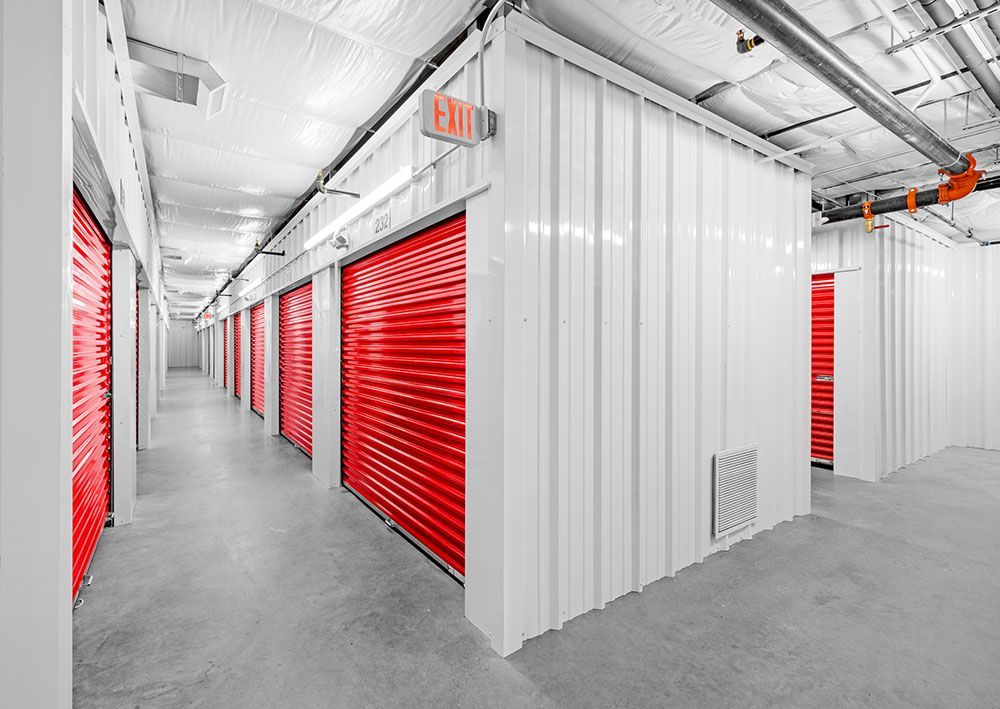
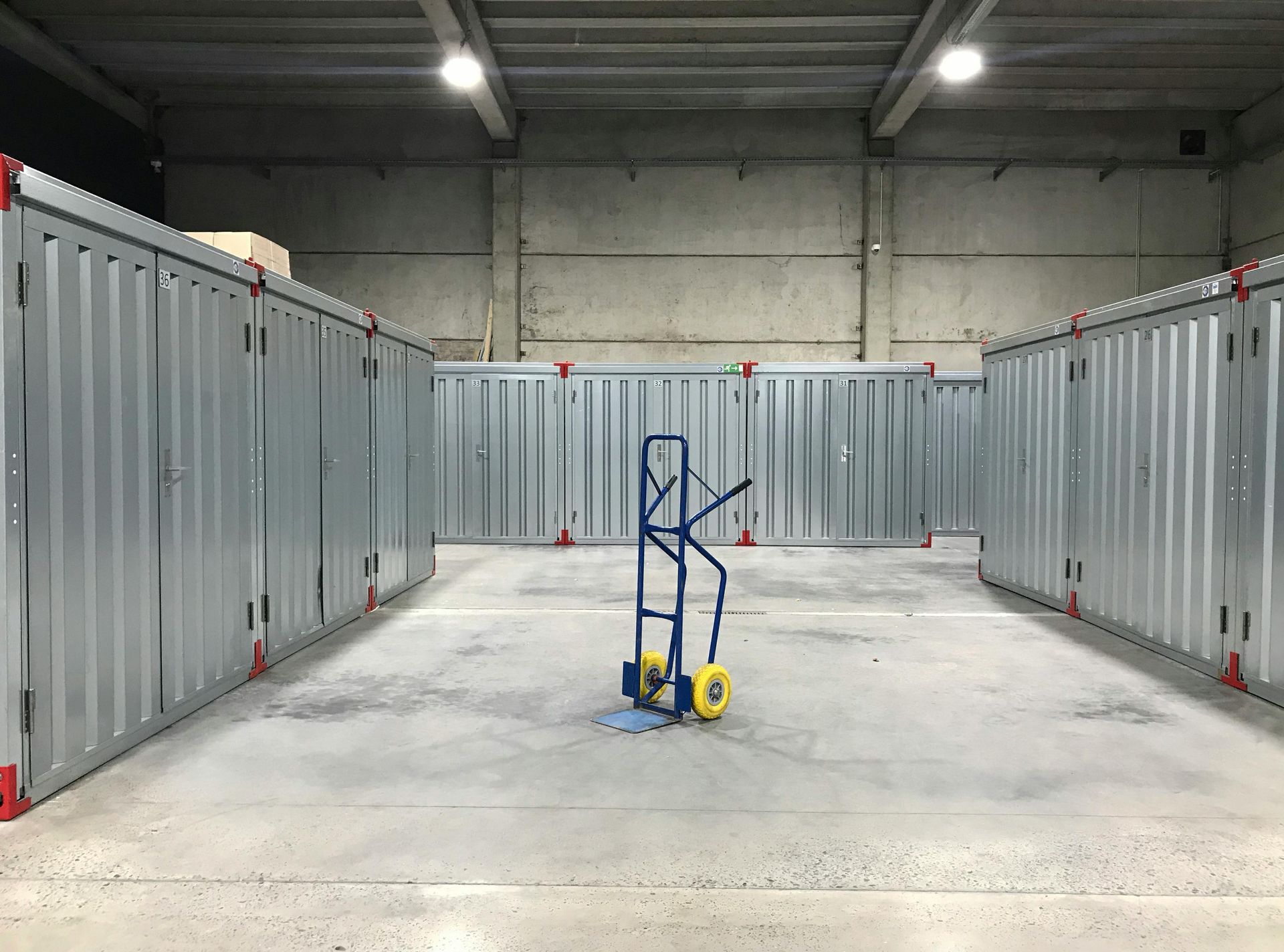
Climate controlled storage is indoor storage that keeps the environment more stable so your belongings are less likely to get damaged over time. It is a practical option when you want fewer temperature swings and fewer moisture problems that can cause odors, warping, rust, or mildew. In a place like Connecticut, seasonal changes and humid stretches can make indoor stability worth paying for when you are storing sensitive items.
For those who do not have a lot of time
- What is climate controlled storage: Indoor storage that helps keep temperature more consistent and reduces humidity swings so stored items stay in better condition.
- What conditions should I expect: Many facilities aim for roughly 55 to 80 degrees Fahrenheit, with humidity kept in a safer range to reduce moisture related issues.
- Why do people pay extra for it: Heat and moisture damage can build gradually and show up later when you unpack or inspect items.
- What items benefit the most: Photos, paper, electronics, wood furniture, leather, fabric, musical instruments, art, and collectibles.
- What is the biggest risk it helps prevent: Moisture, because it can cause warping, mildew odors, rust, and mold.
- What should I do besides renting climate control: Store only clean and fully dry items, and pack in ways that allow reasonable airflow.
- When is it worth the cost: When replacing the item would be expensive, difficult, or emotionally costly.
- What is the one question I should ask the facility: Ask whether humidity is actively managed or if the space is only heated or cooled.
- What is the Connecticut reality check: Indoor stability can reduce musty odors and moisture issues during humid months and changing seasons.
- How do I choose the right unit: Consider how sensitive your items are, how long you are storing, and how often you need access.
What is climate controlled storage, really?
Climate controlled storage is indoor storage designed to reduce extreme changes in temperature and humidity. The goal is to keep conditions steadier so common storage problems happen less often. This helps lower the chances of warping, cracking, corrosion, and mildew odors that can develop when items sit in damp or fluctuating conditions.
What temperature does climate controlled storage stay at?
Most climate controlled units are intended to stay in a comfortable indoor range, commonly around 55 to 80 degrees Fahrenheit. Exact temperatures vary by facility. Consistency matters more than any single number because repeated swings can stress materials and increase condensation risk inside boxes and on surfaces.
Does climate controlled storage also control humidity?
Often it does, but you should confirm what a facility means by climate control. Some locations primarily heat or cool, while others also dehumidify. Many storage and preservation guidelines commonly reference a relative humidity range around 30 to 50 percent as a practical target for reducing mold risk and moisture damage.
Why does humidity matter so much?
Humidity is moisture in the air. That moisture can be absorbed by paper, fabric, wood, and leather. Over time it can lead to odors, mildew, corrosion, and mold growth. When airflow is limited inside a storage unit, moisture issues can build quietly until you notice damage later.
What items actually need climate controlled storage?
Items that are sensitive, valuable, sentimental, or prone to warping usually benefit from climate control. Common examples include:
- Electronics and computers
- Photographs and printed memories
- Important documents and paperwork
- Books and paper collections
- Artwork and framed pieces
- Wood furniture
- Leather goods
- Musical instruments
- Collectibles
- Textiles and fabrics that can absorb moisture and hold odors
What about electronics and appliances?
Electronics do best in stable conditions. Humidity can contribute to corrosion and temperature shifts can create condensation risk when moving items in and out.
Helpful steps for electronics
- Power devices down fully
- Remove batteries when practical
- Store with padding in bins or boxes
- Avoid tight plastic wrapping that traps moisture
Appliances can also benefit from climate control, especially those with electronic controls or units stored long term.
Helpful steps for appliances
- Clean and dry appliances thoroughly
- Leave doors slightly open when possible
- Make sure hoses, trays, and seals are dry before storing
Will climate control protect photos, paper, and documents?
Yes, this is a common reason people choose climate control. Paper items are vulnerable to moisture and heat over time. Store documents in sealed plastic bins, use sleeves for photos when possible, and keep items elevated so minor floor moisture does not reach boxes.
Is climate control worth the extra money?
It often is when you compare the monthly price difference to the value of what you are storing. If the added cost is less than the cost of replacing damaged items, climate control usually makes sense. This is especially true for photos, documents, electronics, furniture, and anything that would be difficult to replace.
What is the difference between climate controlled, air cooled, and heated storage?
Climate controlled usually means indoor storage with systems designed to keep temperatures steadier and may also include humidity management. Air cooled storage focuses on cooling but may not consistently control humidity. Heated storage is often used in colder climates to prevent freezing and protect items that can be damaged by very low temperatures.
If you are storing items that can absorb moisture or develop odors, ask how humidity is handled. Temperature control without humidity management can still allow moisture issues to develop.
Can I store clothes, mattresses, and upholstered furniture without climate control?
You can, but there is more risk of odors and moisture absorption over time. Mattresses and upholstered items can hold humidity. Clothes and fabrics can also absorb moisture and develop musty smells.
If you choose standard storage, use breathable covers, avoid storing anything damp, and leave some space for air movement. Do not press soft items tightly against walls.
What should I not store in a climate controlled unit?
Do not store the following items in any storage unit:
- Food or perishables
- Plants or anything living
- Anything illegal
- Hazardous materials
- Flammable items
- Anything prohibited by your rental agreement
Climate control supports better storage conditions, but it does not make unsafe or prohibited items acceptable.
Will climate control prevent mold completely?
It lowers the risk, but mold can still grow if moisture is introduced and sealed in. If you store wet items, pack damp fabric, or trap humidity in closed boxes, mold can still develop. The best approach is climate control plus clean and fully dry belongings plus packing that allows air movement.
How should I pack for climate controlled storage?
Use sturdy boxes for general household items. Use sealed bins for documents and photos. Use breathable wraps for wood and leather so moisture does not get trapped against surfaces.
Keep items off the floor using pallets or shelving if available. Leave small gaps between large items for air movement. Label boxes so you open the unit less often and spend less time searching through stacks.
How do I know if I truly need climate control?
Climate control is a better fit if you are storing for more than a short period and you have paper, photos, electronics, wood, leather, fabric, art, or collectibles. Standard storage can work for durable items that already live well in garages or sheds, but conditions will vary more.
A helpful test is whether you would leave the item in an unconditioned garage for an entire season. If the answer is no, climate control is usually the safer choice.
The East Granby option, if you want climate control without overthinking it
New England Storage Solutions provides
climate controlled storage in East Granby, Connecticut. Location: 10 Connecticut South Dr, East Granby, CT 06026. This option fits customers who want indoor storage conditions that are steadier for items affected by temperature swings and moisture.