Winter Is Coming: A Practical Plan for Storing Your Car Until Spring
Winter car storage takes more preparation than parking in the garage and leaving the vehicle alone until spring. A car that sits for several months still needs attention to its battery, tires, fluids, fuel system, exterior, and interior. A little work before the last drive of the season can also make returning the car to regular use much simpler.
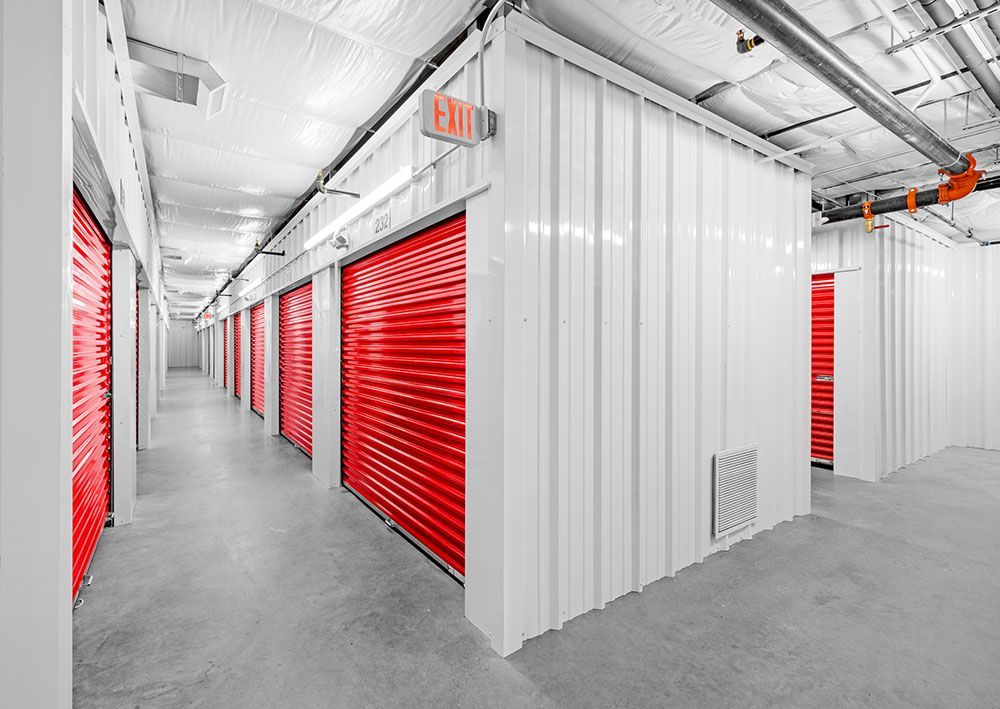
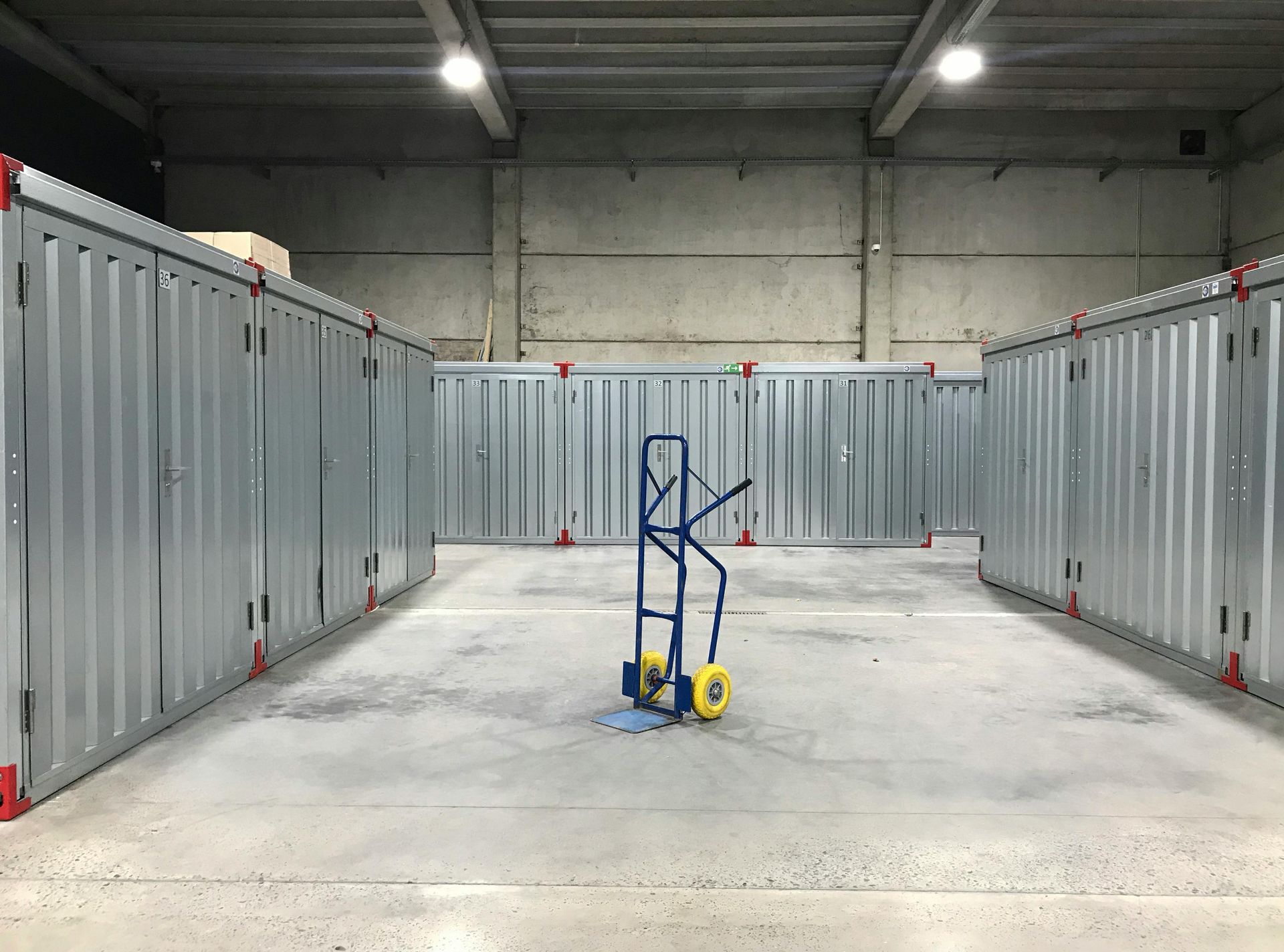
Space matters too. If bicycles, seasonal equipment, boxes, or lawn and garden supplies have gradually taken over the garage, moving those belongings elsewhere may give the car a safer place to sit. Our storage options in East Granby include units for household and seasonal belongings when you need to reclaim room at home before winter.
Decide How Long the Car Will Sit
Start with the expected storage period. Leaving a car parked for a couple of weeks isn't the same as putting away a convertible, classic car, or second vehicle for several months. The longer it will sit, the more attention you should give to maintenance and preparation before parking it. Your owner's manual should be the main reference for vehicle-specific instructions. Battery systems, recommended fluids, tire pressures, and maintenance procedures vary by vehicle, so general winter storage advice shouldn't replace the manufacturer's directions.
If you're planning to take the vehicle off the road for the season, don't overlook its paperwork either. Connecticut requires continuous liability insurance on registered vehicles. The Connecticut DMV explains the options for seasonal and stored vehicles, including what owners need to do if they don't intend to operate a vehicle during that period. Don't simply cancel insurance while leaving an active registration in place.
Clean and Dry the Car Before Parking It
Wash the exterior before the car goes away for winter. Dirt, road residue, insects, and other contaminants are better removed now than left against the finish for months. Once the vehicle is clean, let it dry completely before covering or parking it for the season. Give the cabin the same attention. Vacuum the carpets and seats, empty cup holders and door pockets, and remove food, wrappers, damp clothing, and other unnecessary belongings. Check underneath the seats and clear out the trunk rather than treating it as extra winter storage.
A clean interior is particularly important when a vehicle will remain undisturbed for a long stretch. Food and crumbs can attract pests, while damp fabric or equipment introduces moisture into a closed cabin. Our earlier guide to preparing a car for storage covers these longer-term preparation steps in more detail.
Check the Fluids and Deal With Existing Problems
Winter storage isn't a good reason to postpone maintenance that's already due. Check the engine oil and the other fluids specified in your owner's manual. If the vehicle is due for service, address that before putting it away rather than leaving an existing maintenance issue until spring. Look underneath the car as well. A leak that's already present won't improve while the vehicle sits. Unfamiliar fluid spots, warning lights, or mechanical problems are better investigated before storage.
Fuel requires vehicle-specific judgment too, especially if the car will remain parked for months. Follow the owner's manual and any applicable product directions rather than assuming the same fuel-storage procedure is right for every vehicle.
Prepare the Battery for Several Months of Inactivity
A parked vehicle can still draw electricity. Modern electronics may continue using a small amount of power after the ignition is switched off, and enough time can leave the battery without the charge needed to start the engine. Depending on the vehicle and length of storage, a battery maintainer may be appropriate. Disconnecting the battery is another option for some vehicles, but doing so can reset settings or affect electronic systems. Check the owner's manual before choosing either approach.
Don't rely on occasionally starting the engine for a few minutes as a substitute for proper preparation. If the manufacturer recommends periodic operation during long-term storage, follow those instructions instead.
Check Tire Pressure Before the Car Sits
Inflate the tires to the vehicle manufacturer's recommended pressure before parking. The correct figure is commonly listed on the driver's door jamb placard and in the owner's manual. It isn't necessarily the same as the maximum pressure printed on the tire itself. Tires gradually lose pressure, and a vehicle sitting in one position for a long period keeps its weight on the same areas of the tires. When spring arrives, check the pressure again and inspect each tire for visible damage, cracking, deformation, or significant pressure loss before driving.
Pay attention during that first trip as well. Unusual vibration or handling after months of inactivity deserves an inspection rather than an assumption that it will disappear on its own.
Keep Rodents Away From the Vehicle
A quiet vehicle parked for months can offer sheltered spaces for rodents. Start by removing anything that attracts them from the car and surrounding garage. Pet food, birdseed, snacks, and similar items shouldn't be stored near the vehicle. Before spring startup, inspect the engine compartment for nesting material, damaged wiring, or other evidence of pest activity. If you've used temporary covers or another pest-control measure around an intake or opening, leave a visible reminder inside the car so it isn't forgotten before the engine is started.
It also helps to keep a short record of everything you changed before storage. Note any disconnected equipment, battery steps, maintenance completed, tire pressures, and temporary protective measures. Several months later, those details are easier to read from a checklist than reconstruct from memory.
Give the Car Enough Room in the Garage
Preparing the vehicle is only part of winter storage. Look closely at the area where it will sit. Boxes shouldn't be stacked where they can fall onto the car, bicycles shouldn't lean against the body, and tools or seasonal equipment shouldn't block access around it. East Granby residents may recognize how quickly garage space gets divided among vehicles and recreational gear. New England Storage Solutions is located at 10 Connecticut South Drive, not far from Bradley International Airport, so we're positioned locally for households that need somewhere else to keep belongings while reorganizing the garage.
You don't necessarily need a large unit to make a meaningful difference at home. A 5x5 unit provides 25 square feet of floor space and can accommodate items such as seasonal decorations, garden tools, camping supplies, sports equipment, and boxes. Our guide to using a small storage rental explains what this compact size is designed to hold. Moving a few carefully chosen items out of the garage may be enough to leave clear space around a parked car. Our property also offers drive-up access and 24/7 access, which are useful verified features when you're storing household belongings that you may need during the season.
Use a Car Cover Carefully
A cover can keep dust off a stored vehicle and provide a barrier against minor incidental contact, but don't put one over a dirty or damp car. Wash and completely dry the vehicle first. Choose a cover suited to the vehicle and the environment where it's being stored. Once the cover is in place, resist using the roof or hood as another shelf. Boxes, tools, and other objects can shift, leak, or damage the finish even if the car isn't moving. Leave enough room to remove the cover and inspect the vehicle without having to rearrange half the garage. Long-term storage is easier to manage when you can actually get to the car.
Don't Forget Registration and Insurance
Parking a vehicle for winter doesn't automatically eliminate its legal requirements. Connecticut DMV guidance states that registered vehicles require continuous insurance coverage. Owners who don't intend to operate a seasonal vehicle have specific options involving their plates and liability coverage, so confirm the correct procedure before changing an insurance policy.
This is one area where assumptions can become expensive. The DMV notes that an insurance lapse on an actively registered vehicle can lead to compliance issues and fines. Check current state requirements and speak with your insurer before making changes for winter.
Check Everything Again Before the First Spring Drive
When it's finally time to bring the car back, don't turn the key and immediately head down the road. Walk around the vehicle first. Look underneath for leaks, inspect the tires, and check the engine compartment for signs of pests or damaged wiring. Review the notes you made before storage. Reconnect or restore the battery according to the appropriate procedure, remove temporary protective materials, check essential fluids, and verify tire pressure. If the vehicle has been sitting for an especially long period or anything looks unusual, professional inspection may be appropriate before regular driving resumes.
Once the engine is running, watch for warning lights and listen for unusual sounds. The first drive should also give you a chance to notice changes in braking, steering, tire vibration, or general handling.
Make Room Before Winter Arrives
A good winter storage plan begins before the car is parked. Cleaning and drying the vehicle, checking maintenance items, preparing the battery and tires, reducing pest risks, and keeping a written record all make a long period of inactivity easier to manage.
The garage deserves the same attention. If household boxes, recreational equipment, tools, or seasonal belongings are crowding the area where your vehicle needs to sit, our storage options from New England Storage Solutions can provide separate space for those items. That leaves the garage available for the car while keeping belongings organized and accessible through the winter.