Parking It for a While? A Complete Guide to Preparing Your Car for Storage in East Granby
Parking a car for a few days rarely requires much thought. However, leaving that same vehicle untouched for several weeks or months is a different situation. Cars are designed to move regularly, so an extended period of inactivity can affect the battery, tires, fluids, fuel system, interior, and exterior. Even a vehicle that was running perfectly when it was parked can need extra attention when it is time to get back on the road.
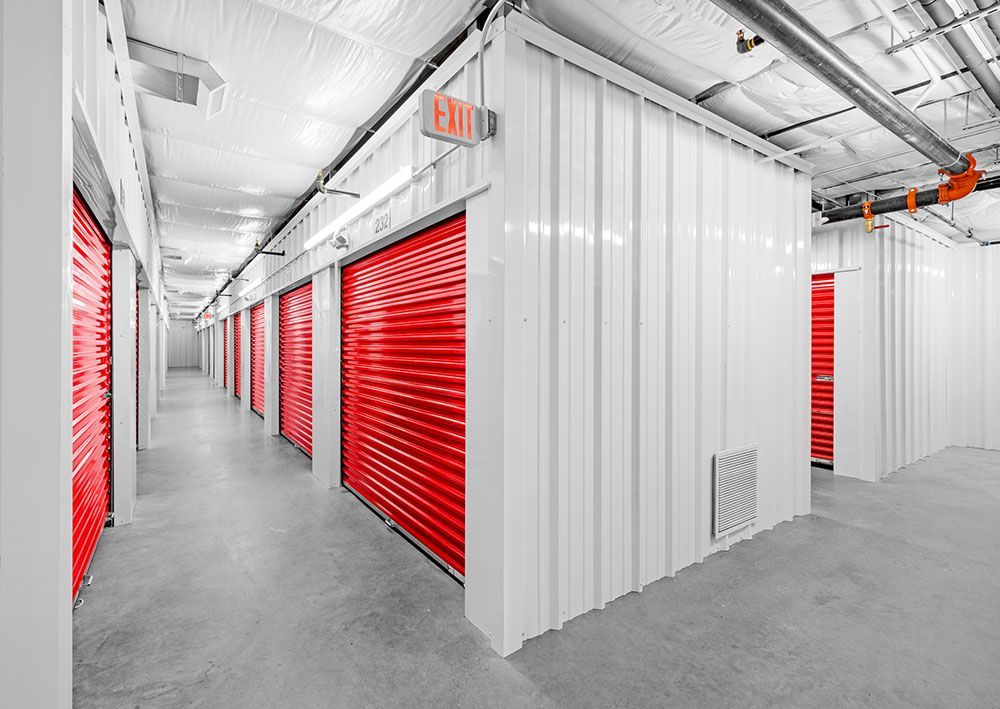
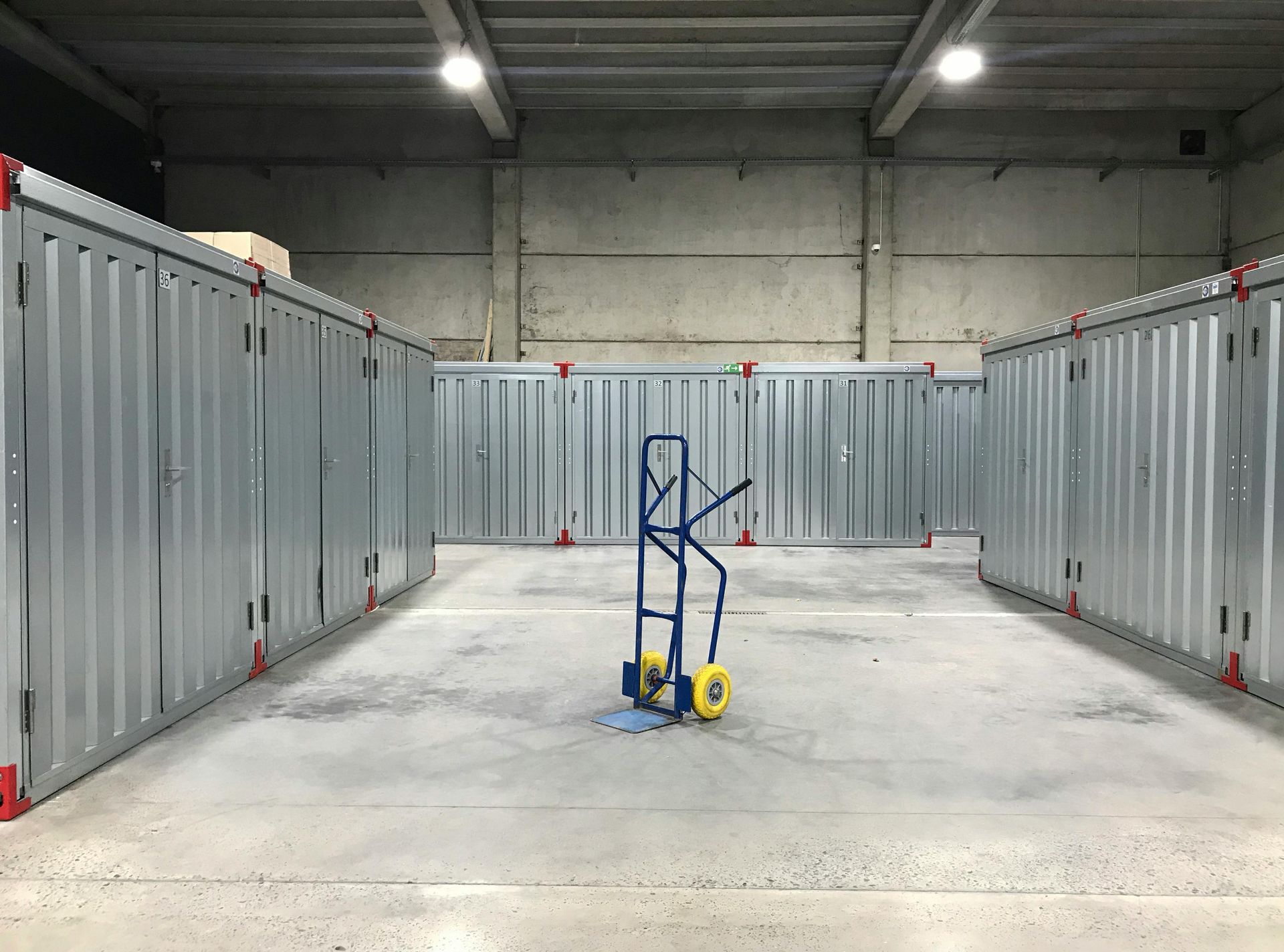
Fortunately, preparing a car for a longer stay does not need to become an overwhelming project. A thoughtful approach before parking can help protect the vehicle and make the eventual return to driving much simpler. For East Granby residents, the process can also be a useful reason to rethink how garage space is being used. At New England Storage Solutions, our storage options in East Granby can provide additional room for bicycles, outdoor equipment, household boxes, tools, and other belongings that might otherwise crowd the space around a parked vehicle.
Before making any long-term storage decisions, it is important to remember that every vehicle is different. The owner's manual and manufacturer recommendations should always guide decisions about battery care, fuel, tires, fluids, and other mechanical concerns. With that foundation in mind, the following steps can help you create a practical plan for preparing your car and the space around it.
Key Points for Readers Short on Time
- Start by deciding approximately how long the vehicle will remain parked, since a few weeks of inactivity may require less preparation than several months.
- Clean and completely dry the exterior, cabin, and trunk before storage, paying particular attention to food, moisture, dirt, and debris.
- Check the battery, tires, oil, and other essential fluids according to the vehicle manufacturer's recommendations.
- Prepare the area around the car as carefully as the vehicle itself, leaving enough room to inspect the car and avoid accidental scratches or dents.
- Create a written checklist of everything completed before storage so the vehicle can be returned to regular use safely and methodically.
First, Think About How Long the Car Will Actually Sit
Before pulling out the cleaning supplies or opening the hood, start with a simple question: How long do you expect the car to remain parked? The answer provides useful context for nearly every step that follows. A vehicle that will sit for two or three weeks generally presents a different set of concerns than a classic car, convertible, recreational vehicle, or second family car that might remain unused for several months. As the storage period becomes longer, small maintenance concerns become more important. Batteries gradually discharge, tires remain loaded in the same position, fuel can deteriorate, and contaminants left on exterior surfaces have more time to settle against the finish. Consumer Reports recommends several additional precautions when storing a car for an extended period, including cleaning the vehicle, addressing the oil and battery, and taking steps to discourage rodents.
Therefore, rather than treating car storage as a single checklist that applies equally to every vehicle, build your preparation around the expected length of inactivity. At the same time, check the owner's manual for any manufacturer-specific recommendations. Newer vehicles can have sophisticated electronics and battery management systems, while older vehicles may have very different maintenance needs. The more closely your preparation matches your particular car, the easier it will be to avoid unnecessary steps.
Give the Car a Proper Cleaning Before You Park It
Once you know approximately how long the vehicle will be sitting, cleaning should be one of the first practical tasks. It can be tempting to think that washing a car before putting it away is purely cosmetic. In reality, dirt, insects, tree sap, road residue, and other contaminants can remain against painted surfaces for an extended period, making them harder to remove later. Start with a thorough exterior wash, paying attention to the wheels, lower body panels, windows, mirrors, and other areas where grime tends to collect. Afterward, make sure the vehicle is completely dry before it is covered or parked in an enclosed space. Consumer Reports specifically recommends washing and waxing a car before extended storage to prevent accumulated contaminants from bonding to exterior surfaces.
Next, move inside the vehicle. Vacuum the carpets and seats, empty the center console, clear the cup holders, and look underneath the seats. Small pieces of food that seem harmless during daily driving become much less appealing when they remain inside a closed car for months. In addition, remove damp towels, sports equipment, jackets, reusable shopping bags, and anything else that could hold moisture or develop an odor. The trunk deserves the same attention. Instead of treating it as a convenient place to leave miscellaneous belongings, remove anything that does not need to stay with the vehicle. A clean, dry, uncluttered interior gives you a much better starting point for long-term storage and makes the car more pleasant to return to later.
Next, Check the Oil and Essential Fluids
After the car is clean, turn your attention to basic maintenance. Fluids are easy to overlook because a parked car is not accumulating mileage. Nevertheless, the condition of those fluids still matters, particularly when the vehicle will remain inactive for a significant amount of time. Depending on your vehicle, this may mean checking engine oil, coolant, brake fluid, transmission fluid, power steering fluid, and windshield washer fluid. If an oil change is already due or approaching, completing it before a long storage period may be appropriate.
While you are checking the fluids, look underneath the vehicle for evidence of leaks. A few drops on the garage floor can be easy to dismiss during everyday use, but an existing leak should not simply be forgotten because the car is going to sit. If you notice an unfamiliar fluid spot, an unusual smell, or another sign of a mechanical problem, addressing it before storage can save uncertainty later. More importantly, avoid treating general storage advice as a replacement for your owner's manual. Maintenance intervals, fluid specifications, and recommended procedures vary substantially among vehicles. Manufacturer guidance should remain the primary reference whenever you are unsure.
Give the Fuel System Some Thought
Fuel is another area that becomes more important as the expected storage period increases. Gasoline does not remain unchanged indefinitely, so a car that will sit for months requires more consideration than one parked for a brief vacation. Still, the correct approach depends on the vehicle, the length of storage, and the manufacturer's recommendations, so owners should follow product directions and vehicle-specific guidance instead of assuming every car needs exactly the same treatment. This point is also particularly important when considering self-storage. Fuel and other flammable materials can be restricted in conventional storage units, which means a standard storage unit should never automatically be assumed to be an appropriate place to park a vehicle. Before considering any type of vehicle storage, customers should confirm the facility's rules, vehicle eligibility requirements, and policies concerning fuel.
For many households, there is a simpler approach. Instead of moving the car out of the garage, move some of the belongings surrounding it. Our guide to small storage rentals offers a closer look at how a smaller storage unit can accommodate household items without requiring an unnecessarily large space. Bicycles, camping equipment, seasonal decorations, gardening supplies, tools, and boxes can occupy a surprising amount of garage floor space, so relocating even a portion of them may create the room needed to park the car comfortably.
Pay Attention to the Battery Before It Loses Its Charge
With fluids and fuel considered, the battery should be next on the list. Even when a vehicle is switched off, modern electronics may continue to draw a small amount of power. Over enough time, that gradual drain can leave the battery without enough charge to start the vehicle. For a longer storage period, a battery maintainer may be appropriate. We recommend either disconnecting the battery or using a maintainer designed for long-term storage. However, disconnecting a battery can reset electronic settings and may have other implications for certain vehicles, so it is worth checking the owner's manual before taking that step.
While you are there, visually inspect the battery and terminals for obvious corrosion or damage. If the battery was already struggling to start the vehicle before storage, parking the car for several months is unlikely to improve the situation. Resolving a weak or aging battery beforehand can prevent the first post-storage drive from beginning with jumper cables. Finally, remember that simply starting the engine for a few minutes from time to time is not necessarily equivalent to properly maintaining the vehicle. If you plan to operate the car periodically instead of leaving it fully stored, follow the manufacturer's recommendations regarding how frequently and for how long it should be driven.
Prepare the Tires for a Long Rest
The tires are another part of the car that can be affected by extended inactivity. During normal driving, the contact point between each tire and the road continually changes. When a vehicle sits in the same position for weeks or months, however, the same section of each tire supports the vehicle's weight the entire time. Before parking, check all four tires and inflate them according to the pressure recommended by the vehicle manufacturer. That number is commonly found on the driver's door jamb placard and in the owner's manual. It is important not to confuse the manufacturer's recommended tire pressure with the maximum pressure printed on the tire sidewall.
AAA notes that tires can lose air over time and that prolonged parking can contribute to flat spots. Its car storage guidance recommends checking tire inflation before storage and taking additional precautions when a vehicle will sit for months. Then, when the vehicle is eventually brought back into regular use, inspect the tires again rather than assuming their pressure and condition are unchanged. Look for visible cracking, damage, unusual deformation, or significant pressure loss. During the first drive, pay attention to vibration or other unusual behavior that might indicate the tires need professional inspection.
Do Not Give Rodents an Invitation
Mechanical maintenance receives most of the attention when people think about car storage, yet pests can create equally frustrating problems. A vehicle that remains quiet and undisturbed for a long period can provide sheltered spaces for mice and other small animals, particularly around the engine compartment and other enclosed areas. This is another reason that cleaning the car and the surrounding garage is so important. Remove food, birdseed, pet food, and other materials that might attract pests. Likewise, avoid leaving bags of snacks, wrappers, or crumbs inside the passenger compartment. Keeping the surrounding space organized also makes it easier to notice signs of pest activity before they become a larger problem.
AAA recommends taking precautions to keep mice from entering areas such as the engine air intake and tailpipe during long-term vehicle storage. If you use any temporary coverings or other protective measures, however, leave yourself an unmistakable reminder that they must be removed before the engine is started. A simple written note placed on the driver's seat can be surprisingly effective. After several months, it is easy to forget exactly what was covered, disconnected, treated, or adjusted during preparation. A reminder inside the vehicle helps ensure that a preventative step does not accidentally create another problem.
Make the Space Around Your Car Part of the Plan
At this point, it is worth looking beyond the vehicle itself. Preparing a car perfectly will only accomplish so much if it is then squeezed into a garage surrounded by unstable boxes, bicycles, lawn equipment, and tools. Ideally, you should be able to walk around the parked vehicle without turning sideways between the car and piles of belongings. Doors should have enough clearance to open safely, and nothing should be leaning against the paint. In addition, shelves and overhead storage areas should be secure so that items are not at risk of falling onto the vehicle.
This is where a storage unit can become part of a broader garage organization strategy. Instead of viewing storage solely as a place for items you no longer use, it can provide temporary breathing room for belongings that remain useful but do not need to occupy the garage every day. Consider, for example, camping equipment that is only used a few times each year, spare patio furniture, holiday decorations, gardening supplies, sports equipment, and boxes of household items. Moving selected belongings elsewhere can create a safer parking area without requiring you to permanently part with anything.
Separate Sensitive Belongings From Ordinary Garage Clutter
While reorganizing the garage, you may also discover items that should not have been stored there in the first place. Paper records, photographs, important documents, books, and other sensitive materials often end up in garages simply because there is nowhere else convenient to put them. However, these belongings deserve different consideration than a bicycle, shovel, or plastic storage tote. If garage organization is part of your car storage project, it is a good opportunity to separate sensitive materials from ordinary household clutter and determine which belongings may benefit from a more controlled storage environment.
We discuss those considerations in greater detail in our guide to document storage with climate control in East Granby. Keeping different categories of belongings organized according to their actual storage needs can make both the garage and the storage unit easier to manage. Additionally, this approach prevents one common problem: solving the space issue around the car by simply moving everything into another unorganized pile. Good storage should make belongings easier to manage, not merely move clutter from one location to another.
East Granby Recreation Can Mean Plenty of Gear at Home
Garage organization has particular relevance in an area where residents have easy access to outdoor recreation. East Granby's Parks and Recreation Department maintains several parks and recreational facilities, including Granbrook Park, Cowles Park, the Greenway, and East Granby Farms. Cowles Park includes more than 15 miles of wooded trails and is particularly popular with mountain bikers, while the Greenway includes roughly five miles of the Farmington Canal Heritage Trail through East Granby. For residents who make regular use of these local spaces, recreational activities can naturally lead to a growing collection of equipment. Bicycles, helmets, hiking packs, picnic supplies, sports equipment, and other outdoor gear all need a place to go when they are not in use. Over time, the garage often becomes the default location.
That is why preparing a car for extended storage can be an ideal moment to reconsider the garage layout. Rather than balancing a bicycle against the wall inches from the car or stacking equipment around the bumpers, decide which belongings actually need immediate access. Equipment that will not be used for a while may be better organized separately, leaving the vehicle with a cleaner and more practical space. This is not about emptying the garage simply for appearances. Instead, it is about making the available space function better. East Granby's local recreation opportunities encourage residents to get outside, and the equipment that supports those activities should have an organized home when it is not in use.
Consider a Car Cover, but Use the Right One
Once the vehicle and surrounding area are ready, you may want to add another layer of protection with a car cover. This can be particularly useful for reducing dust accumulation and helping protect the vehicle from incidental contact while it sits. However, do not cover the car immediately after washing it. The exterior should be completely clean and dry first. Otherwise, moisture or debris can become trapped between the cover and the paint. AAA recommends using a breathable cover for a vehicle that will remain stored for an extended period.
Fit matters as well. A poorly fitting cover can shift, rub against surfaces, or make it unnecessarily difficult to inspect the car. When possible, select a cover intended for the vehicle and the type of environment where it will be parked. Most importantly, resist the temptation to treat a covered car as additional household shelving. A box placed on the roof may seem harmless when nobody is driving the vehicle, but items can slide, leak, or scratch the finish. Once the car is prepared and covered, keep the area above and immediately around it clear.
Create a Record of Everything You Did
After spending time preparing the vehicle, take a few additional minutes to document the process. This is one of the easiest steps to skip, yet it can be one of the most useful several months later. Your notes do not need to be elaborate. Record the date the car was parked, maintenance completed beforehand, tire pressures, battery steps, fuel preparation, and any temporary pest protection measures. If something must be removed, reconnected, or checked before the engine starts again, make that instruction especially visible.
A simple checklist might include:
- Date the vehicle entered storage
- Oil and fluid checks completed
- Tire pressures at the time of parking
- Battery maintenance steps taken
- Fuel preparation performed, if applicable
- Temporary coverings or pest prevention measures installed
- Maintenance items that should be checked before driving again
Keeping this information with the keys or placing a copy inside the vehicle can prevent unnecessary guesswork. Months later, you should not have to rely on memory to determine whether the battery was disconnected or whether an intake opening was temporarily covered.
Keep Keys and Vehicle Documents Organized Too
Physical preparation is only one side of long-term car storage. Keys, registration materials, insurance documents, maintenance records, and other paperwork should also have a clear home. Avoid leaving important documents loose inside the car or placing the keys in a random household drawer. Instead, choose a consistent and secure location that will still make sense several months later. If another family member may need access to the vehicle, make sure that person knows where the keys and relevant information are kept.
Likewise, if you remove documents from the vehicle during the cleaning process, avoid dropping them into an unmarked box that is then moved into storage. Labeling and organizing paperwork now can save a frustrating search later. This small organizational step connects directly with the larger purpose of car storage preparation. The goal is not simply to leave the vehicle untouched. It is to make the entire period of inactivity predictable, organized, and easier to reverse when you are ready to drive again.
When It Is Time to Drive Again, Do Not Rush the First Start
Eventually, the day will come when the car needs to return to the road. At that point, it can be tempting to remove the cover, turn the key, and immediately drive away. Instead, give the vehicle a careful inspection first. Begin with a walk around the exterior. Look underneath for signs of fluid leakage, inspect the tires, and check the area around the vehicle for anything that may have changed. Next, open the hood and look for evidence of rodents, damaged wiring, nesting materials, or other problems. If you installed temporary coverings as part of your pest prevention plan, remove all of them before attempting to start the engine.
Then review the checklist you created before storage. Restore the battery according to the appropriate procedure, verify tire pressure, and check important fluid levels as recommended by the manufacturer. If the vehicle has been sitting for a particularly long time, additional professional inspection or maintenance may be appropriate before regular driving resumes. Once the engine is running, pay attention rather than immediately turning up the radio and heading out. Watch for warning lights, listen for unusual noises, and notice how the vehicle behaves. During the first drive, braking, steering, vibration, and other changes deserve attention. If something does not feel right, have it inspected rather than assuming the issue will disappear with additional driving.
Good Car Storage Is Really About What Happens Before and After Parking
The most successful long-term car storage plans are rarely complicated. Instead, they are thorough. Cleaning the vehicle prevents existing dirt and debris from sitting against surfaces for months. Checking fluids and maintenance items helps identify issues before the car is parked. Battery and tire preparation address two of the most common concerns associated with extended inactivity, while pest prevention protects areas that are easy to overlook. At the same time, the space surrounding the car matters. A garage packed with bicycles, tools, recreational equipment, boxes, and seasonal belongings can make it difficult to protect a parked vehicle properly. Creating more open space around the car reduces the risk of accidental damage and makes inspections easier while the vehicle remains unused.
For East Granby residents, that organization can be particularly useful when outdoor hobbies and household equipment compete for garage space. The town's recreation system includes Cowles Park, the Greenway, Granbrook Park, and East Granby Farms, providing opportunities for biking, hiking, walking, sports, picnics, and other activities that often come with their own collection of gear. Giving that equipment an organized place can make the garage much easier to use when a vehicle needs to remain parked for an extended period.
Ultimately, preparation should leave you with two things: a vehicle that has been thoughtfully put away and a clear plan for bringing it back into service. We at New England Storage Solutions offer
storage units in East Granby that can help create additional room for household belongings, recreational gear, seasonal items, and other possessions that may otherwise crowd the garage.