Deployment Ahead? Affordable Indoor Storage Near Bradley Air National Guard Base

Josh Summerhays • November 13, 2026

Preparing for military deployment means making decisions about what to do with your belongings while you're away. If you're leaving your current home, moving between assignments, or simply need somewhere to keep furniture and personal items, renting a storage unit can be a practical alternative to maintaining an entire living space. At New England Storage Solutions, we offer indoor storage in East Granby, Connecticut, including discounted second-floor units that are worth considering when you're trying to keep expenses manageable during deployment. Our facility at 10 Connecticut South Drive is also in the same community as Bradley Air National Guard Base. You can review our storage options in East Granby to see what's available before your departure.


Storage for Military Personnel Near Bradley Air National Guard Base

East Granby is home to Bradley Air National Guard Base, where the Connecticut Air National Guard's 103rd Airlift Wing is stationed. The wing supports military operations and missions that can take personnel away from Connecticut for extended periods. Deployments are a regular part of military service in the area. For service members who live near the base, deployment can raise a practical housing question. Keeping an apartment throughout an assignment may mean paying rent for space you won't use, while moving everything into another home isn't always possible. A storage facility provides another option for belongings you intend to keep until you return.


Why Our Discounted Second-Floor Indoor Units Are Worth Considering

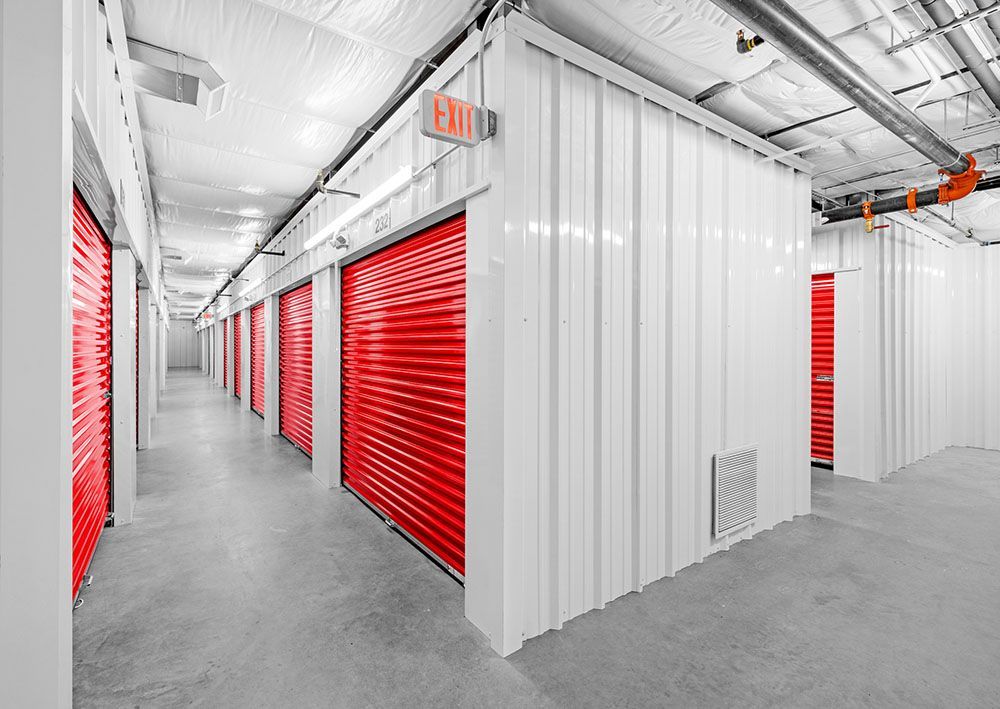
One of the options we want military personnel to know about is our discounted second-floor indoor storage. These units are especially worth comparing if you're preparing for an extended absence and don't expect to retrieve your belongings regularly.


Lower Storage Costs During Deployment

A deployment budget may include expenses that continue at home, even while you're stationed elsewhere. If you're giving up an apartment or downsizing before leaving, paying for storage becomes another monthly consideration. Our second-floor indoor units have additional discounts, so they're worth asking about when comparing available spaces. A lower monthly rate can make a meaningful difference over several months, particularly when you won't need frequent access to your belongings. Before choosing a unit, confirm the current discounted rate, how long the promotion applies, and what your monthly payment will be afterward. The total cost over your expected deployment matters more than an introductory offer alone.


Indoor Space for Household Belongings

Indoor units are a practical choice for packed household goods, especially when you're storing items for several months rather than moving them in and out regularly. At our East Granby property, we also offer climate-controlled storage. This is worth considering for belongings such as wooden furniture, electronics, and other items that are sensitive to changes in temperature or humidity. Confirm the features of the particular second-floor unit you're considering, since an indoor location doesn't automatically mean every unit has the same environmental controls.


Plan for Second-Floor Access

The discounted rate is an important advantage, but the location of the unit should also factor into your decision. Second-floor space is better suited to belongings you can move into the unit before departure and leave there until you return. If you're storing heavy furniture, large appliances, or several bulky pieces, ask us about the loading arrangements and how you'll reach the second floor before reserving a unit. Knowing how you'll transport everything on moving day will help you decide whether the discounted space is suitable.


Preparing Your Belongings Before Deployment

Packing for several months away requires a little more preparation than storing boxes between moves. Once you're deployed, you may not be able to return to the property to reorganize your belongings or check on something you forgot to pack properly.


Decide What Needs to Go Into Storage

Start by separating the belongings you'll take with you from those you'll leave in Connecticut. If you're moving out of your residence, consider what you'll want to have when you return, rather than automatically storing everything you own. Furniture, kitchen equipment, clothing, and other household goods are common candidates for temporary storage. Items you no longer need are worth sorting out before moving day, since reducing the amount you store may allow you to rent a smaller unit. Keep military paperwork, identification, medications, and other essential documents somewhere you can access them when needed. Don't pack anything you might require during deployment simply because it fits into a box.


Pack for the Length of Your Absence

Clean and thoroughly dry your belongings before packing them. Moisture left in clothing, upholstered furniture, or household items can cause problems when those items remain packed for months. Use sturdy boxes that can be stacked without collapsing, and label them according to their contents. For furniture, remove detachable components when practical and keep the corresponding hardware in labeled bags. Leave enough room to access important boxes without dismantling the entire arrangement. Even if you don't expect to visit during deployment, plans can change, and someone you authorize may need to retrieve an item.


Make an Inventory Before You Leave

A simple inventory is particularly useful when your belongings will be stored throughout an assignment. Record the contents of each box, photograph valuable items, and keep a copy of the list somewhere other than inside the unit. You don't need a complicated tracking system. A document or spreadsheet with box numbers and short descriptions is enough to help you find things after returning home. If someone will be assisting with your belongings while you're away, share the relevant inventory information with them. Confirm the facility's authorized-access procedures before making arrangements for another person to enter your unit.


Managing Your Storage Unit While You're Away

Deployment can make ordinary administrative tasks harder to handle, especially if you're working across time zones or have limited access to your phone and email. At New England Storage Solutions, customers can rent online and pay their bills online. Our property also offers 24/7 access, with video surveillance, a fully fenced site, and on-site management. These features are useful when arranging storage around a departure date, but it's still important to review the rental agreement and make a payment plan before leaving Connecticut.


Arrange Payments Before Departure

Set up a reliable way to handle your monthly storage payments. Confirm the due date, accepted payment methods, and what happens if a payment is missed. Keep your contact information current and make sure you can receive important notices while deployed. If you expect limited communication access, ask about the process for designating an authorized contact. It's also worth reviewing your insurance coverage and the rental agreement's requirements before moving your belongings into the unit. Don't assume your existing homeowners or renters insurance automatically covers everything in storage.


Allow Time for Moving In

Our facility is located at 10 Connecticut South Drive in East Granby, and customers have access to the property 24 hours a day, seven days a week. Office hours are different from property access hours, so anyone who needs assistance choosing a unit or discussing rental arrangements should plan accordingly. Our office is open Monday from 8 a.m. to 4 p.m. and Tuesday through Sunday from 8 a.m. to 5 p.m. For second-floor indoor units, confirm the specific building-access and loading arrangements before scheduling your move. Doing this ahead of time is especially important when your departure date is fixed.


What About Your Vehicle During Deployment?

A vehicle presents a different storage decision from household belongings. If you're leaving a car in Connecticut, you'll need to decide where it will remain and who, if anyone, will be responsible for it during your absence. Before extended storage, check the manufacturer's guidance for battery maintenance, tire pressure, fluids, and other recommended preparations. The right steps depend on the vehicle and how long it will be parked.

Our guide to preparing a car for storage in East Granby covers additional considerations for getting a vehicle ready before an extended period of inactivity.


If your assignment will keep you away through the colder months, our article about storing a car through a Connecticut winter is another useful resource. Vehicle parking or vehicle-storage availability should be confirmed separately. An indoor household storage unit isn't automatically suitable for storing a car.


Finding the Right Storage Arrangement Before You Deploy

If you're preparing to leave Bradley Air National Guard Base for an assignment, the best storage arrangement depends on how much you're keeping, how long you'll be away, and how easily you can move everything into the unit. Our discounted second-floor indoor units are worth considering when your priority is keeping monthly expenses down, and your belongings won't need regular attention. Before committing, compare the total rental cost, confirm the unit's features, and make sure the loading arrangements work for your furniture and boxes.


At New England Storage Solutions, we serve the East Granby community from our property on Connecticut South Drive. For military personnel planning an upcoming deployment, you can explore storage options from New England Storage Solutions and contact our team to discuss current second-floor pricing, availability, and rental arrangements before leaving Connecticut.


By Josh Summerhays • October 7, 2026
Learn how to store a car for the winter, from cleaning and battery care to tire pressure, pest prevention, insurance, and garage preparation.
By Josh Summerhays • August 20, 2026
Learn how to prepare your vehicle for storage in East Granby, CT, from cleaning and battery care to tires, fuel, and garage organization.
Indoor hallway of roll-up doors leading to storage units.
By Josh Summerhays • July 28, 2026
Learn what fits in a 5x5 storage unit and why small storage rentals are a practical, affordable choice for extra room in East Granby, CT.
By Josh Summerhays • May 13, 2026
Discover why document storage with climate control helps protect records, photographs, archives, and paperwork from humidity and temperature damage.
By Josh Summerhays • April 30, 2026
Explore the differences between climate-controlled storage and traditional units in East Granby, CT.
By Josh Summerhays • March 4, 2026
Discover how to store wood furniture without climate control using proven preparation and packing methods.
March 2, 2026
Climate controlled storage is indoor storage that keeps the environment more stable so your belongings are less likely to get damaged over time. It is a practical option when you want fewer temperature swings and fewer moisture problems that can cause odors, warping, rust, or mildew. In a place like Connecticut, seasonal changes and humid stretches can make indoor stability worth paying for when you are storing sensitive items. For those who do not have a lot of time What is climate controlled storage: Indoor storage that helps keep temperature more consistent and reduces humidity swings so stored items stay in better condition. What conditions should I expect: Many facilities aim for roughly 55 to 80 degrees Fahrenheit, with humidity kept in a safer range to reduce moisture related issues. Why do people pay extra for it: Heat and moisture damage can build gradually and show up later when you unpack or inspect items. What items benefit the most: Photos, paper, electronics, wood furniture, leather, fabric, musical instruments, art, and collectibles. What is the biggest risk it helps prevent: Moisture, because it can cause warping, mildew odors, rust, and mold. What should I do besides renting climate control: Store only clean and fully dry items, and pack in ways that allow reasonable airflow. When is it worth the cost: When replacing the item would be expensive, difficult, or emotionally costly. What is the one question I should ask the facility: Ask whether humidity is actively managed or if the space is only heated or cooled. What is the Connecticut reality check: Indoor stability can reduce musty odors and moisture issues during humid months and changing seasons. How do I choose the right unit: Consider how sensitive your items are, how long you are storing, and how often you need access. What is climate controlled storage, really? Climate controlled storage is indoor storage designed to reduce extreme changes in temperature and humidity. The goal is to keep conditions steadier so common storage problems happen less often. This helps lower the chances of warping, cracking, corrosion, and mildew odors that can develop when items sit in damp or fluctuating conditions. What temperature does climate controlled storage stay at? Most climate controlled units are intended to stay in a comfortable indoor range, commonly around 55 to 80 degrees Fahrenheit. Exact temperatures vary by facility. Consistency matters more than any single number because repeated swings can stress materials and increase condensation risk inside boxes and on surfaces. Does climate controlled storage also control humidity? Often it does, but you should confirm what a facility means by climate control. Some locations primarily heat or cool, while others also dehumidify. Many storage and preservation guidelines commonly reference a relative humidity range around 30 to 50 percent as a practical target for reducing mold risk and moisture damage. Why does humidity matter so much? Humidity is moisture in the air. That moisture can be absorbed by paper, fabric, wood, and leather. Over time it can lead to odors, mildew, corrosion, and mold growth. When airflow is limited inside a storage unit, moisture issues can build quietly until you notice damage later. What items actually need climate controlled storage? Items that are sensitive, valuable, sentimental, or prone to warping usually benefit from climate control. Common examples include: Electronics and computers Photographs and printed memories Important documents and paperwork Books and paper collections Artwork and framed pieces Wood furniture Leather goods Musical instruments Collectibles Textiles and fabrics that can absorb moisture and hold odors What about electronics and appliances? Electronics do best in stable conditions. Humidity can contribute to corrosion and temperature shifts can create condensation risk when moving items in and out. Helpful steps for electronics Power devices down fully Remove batteries when practical Store with padding in bins or boxes Avoid tight plastic wrapping that traps moisture Appliances can also benefit from climate control, especially those with electronic controls or units stored long term. Helpful steps for appliances  Clean and dry appliances thoroughly Leave doors slightly open when possible Make sure hoses, trays, and seals are dry before storing Will climate control protect photos, paper, and documents? Yes, this is a common reason people choose climate control. Paper items are vulnerable to moisture and heat over time. Store documents in sealed plastic bins, use sleeves for photos when possible, and keep items elevated so minor floor moisture does not reach boxes. Is climate control worth the extra money? It often is when you compare the monthly price difference to the value of what you are storing. If the added cost is less than the cost of replacing damaged items, climate control usually makes sense . This is especially true for photos, documents, electronics, furniture, and anything that would be difficult to replace. What is the difference between climate controlled, air cooled, and heated storage? Climate controlled usually means indoor storage with systems designed to keep temperatures steadier and may also include humidity management. Air cooled storage focuses on cooling but may not consistently control humidity. Heated storage is often used in colder climates to prevent freezing and protect items that can be damaged by very low temperatures. If you are storing items that can absorb moisture or develop odors, ask how humidity is handled. Temperature control without humidity management can still allow moisture issues to develop. Can I store clothes, mattresses, and upholstered furniture without climate control? You can, but there is more risk of odors and moisture absorption over time. Mattresses and upholstered items can hold humidity. Clothes and fabrics can also absorb moisture and develop musty smells. If you choose standard storage, use breathable covers, avoid storing anything damp, and leave some space for air movement. Do not press soft items tightly against walls. What should I not store in a climate controlled unit? Do not store the following items in any storage unit: Food or perishables Plants or anything living Anything illegal Hazardous materials Flammable items Anything prohibited by your rental agreement Climate control supports better storage conditions, but it does not make unsafe or prohibited items acceptable. Will climate control prevent mold completely? It lowers the risk, but mold can still grow if moisture is introduced and sealed in. If you store wet items, pack damp fabric, or trap humidity in closed boxes, mold can still develop. The best approach is climate control plus clean and fully dry belongings plus packing that allows air movement. How should I pack for climate controlled storage? Use sturdy boxes for general household items. Use sealed bins for documents and photos. Use breathable wraps for wood and leather so moisture does not get trapped against surfaces. Keep items off the floor using pallets or shelving if available. Leave small gaps between large items for air movement. Label boxes so you open the unit less often and spend less time searching through stacks. How do I know if I truly need climate control? Climate control is a better fit if you are storing for more than a short period and you have paper, photos, electronics, wood, leather, fabric, art, or collectibles. Standard storage can work for durable items that already live well in garages or sheds, but conditions will vary more. A helpful test is whether you would leave the item in an unconditioned garage for an entire season. If the answer is no, climate control is usually the safer choice. The East Granby option, if you want climate control without overthinking it New England Storage Solutions provides climate controlled storage in East Granby , Connecticut. Location: 10 Connecticut South Dr, East Granby, CT 06026. This option fits customers who want indoor storage conditions that are steadier for items affected by temperature swings and moisture.
new years resolutions
By Josh Summerhays • January 21, 2026
Start the New Year strong with New England Storage Solutions. Learn how self storage in East Granby supports moving, renovations, and small business goals with flexible storage units near home
Christmas presents
By Josh Summerhays • December 15, 2025
Create a cozy, clutter free holiday gift wrapping station in East Granby. Learn what to keep handy, what to store, and how self storage in East Granby, CT helps maximize space during winter.
holiday season
By Josh Summerhays • December 2, 2025
Make room for the holidays in East Granby. Learn how local families declutter, donate, and use self storage to stay organized and enjoy the season.